Damp buildings
Mold is a symptom, not the disease
Mold spores are everywhere, indoors and out, all of the time. They become a problem only when they find moisture and start growing on something. That makes visible mold a reliable indicator of a water problem, and the water problem is the thing that actually needs solving.
Clean up growth without stopping the water and it returns, usually within weeks and usually in the same place. This is the single most expensive mistake in the category, and it is made constantly.
What the evidence says
Damp buildings and breathing
This is a field with a large gap between what the evidence supports and what gets claimed. Reviews by the Institute of Medicine and the World Health Organization found sufficient evidence of an association between indoor damp or mold and upper respiratory symptoms, cough, wheeze, and asthma symptoms in sensitised people who already have asthma.
For a long list of other claimed effects the same reviews found the evidence inadequate or insufficient to establish an association. That is not the same as finding no effect, but it does mean anyone offering you a confident diagnosis based on a spore count is going beyond what is known.
The practical conclusion is unaffected: a damp building with visible growth should be dried and cleaned, whatever the mechanism turns out to be. Lung.com publishes environmental and public-health data. It is not medical advice, diagnosis or treatment, and it is not a substitute for a clinician.
The order of work
Water first, always
Find the water
A roof or plumbing leak, condensation on cold surfaces, groundwater through a foundation, or an unvented bathroom or dryer. Growth in a corner that never dries is telling you where to look.
Stop it and dry out
Fix the source, then dry everything within 24 to 48 hours. Beyond that window, growth on wet materials becomes very likely regardless of what you do next.
Remove the growth
Hard non-porous surfaces can be scrubbed with detergent and water and dried thoroughly. Porous materials with substantial growth, such as drywall, carpet and ceiling tile, are removed and replaced.
Keep it dry
Hold relative humidity between 30 and 50%, vent bathrooms and kitchens to outside, insulate cold surfaces that sweat, and deal with the next leak inside the same window.
Guidance follows EPA A Brief Guide to Mold, Moisture and Your Home and CDC materials on mold. Evidence characterisation follows the Institute of Medicine Damp Indoor Spaces and Health and the WHO guidelines for indoor air quality on dampness and mould.
Equipment
Measuring and controlling the water
Humidity meters
Affiliate linksMold is a water problem. Holding relative humidity between 30 and 50% is the single most effective thing you can do about it.

TempPro
TempPro TP50 Digital Hygrometer Indoor Thermometer Room Thermometer

Antonki
Antonki 2 Pack Room Thermometer Indoor Hygrometer

TempPro
TempPro TP49 2 Pack Digital Hygrometer Indoor Thermometer

TempPro
TempPro TP49 Digital Hygrometer Indoor Thermometer
Prices retrieved from Amazon on 2026-08-21 and may since have changed; the price on Amazon at the time of purchase is the one that applies. As an Amazon Associate we earn from qualifying purchases, at no extra cost to you. No manufacturer pays for a place in this list.
Dehumidifiers
Affiliate linksFor basements and any room that will not hold below 50% on ventilation alone. Size to the space and the dampness, not the price.

BEDRED
BEDRED Dehumidifier, 95OZ Dehumidifier for Home 1000 sq ft - Quiet with Auto Shut Off & Relaxing 7 Color Ambient Light, Ideal for Livingroom, Bedroom, Basement (Black)
Waykar
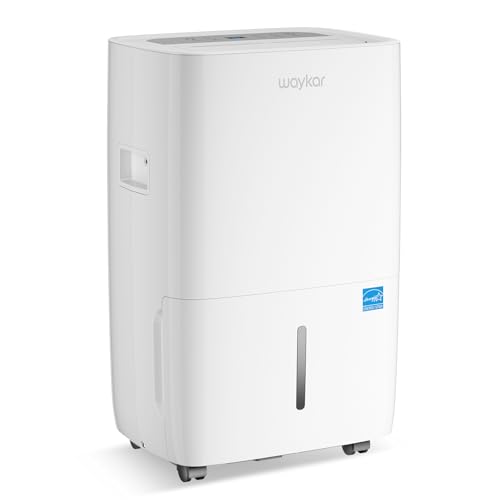
Waykar 80 Pints 5000 Sq. Ft 2025 Energy Star Dehumidifier for Basement

MIONJO
4500 Sq. Ft Dehumidifier for Basement Quilt Compressor Dehumidifiers for Home with Drain Hose, Energy Efficient, Intelligent Humidity Control, Dehumidifier for Bathroom, Bedroom, Office

SEMKAP
SEMKAP 2500 Sq.Ft Max 32 Pints Dehumidifier for Basement with Drain Hose
Prices retrieved from Amazon on 2026-08-21 and may since have changed; the price on Amazon at the time of purchase is the one that applies. As an Amazon Associate we earn from qualifying purchases, at no extra cost to you. No manufacturer pays for a place in this list.
Questions
Mold, answered
Should I get my home tested for mold?
Usually not. The EPA's position is that if you can see or smell mold, testing is generally unnecessary: you already know you have it, and there are no federally established standards for what counts as an acceptable airborne spore count, so a number from a lab has nothing to be compared against. The money is better spent finding the water source and cleaning up.
How much mold can I clean up myself?
The EPA's rule of thumb is that an area under about 10 square feet, roughly a patch three feet by three feet, can generally be handled by a homeowner. Larger areas, anything involving contaminated water, and anything in the HVAC system warrant a professional.
Is black mold especially dangerous?
"Toxic black mold" is largely a marketing construct. Stachybotrys chartarum can produce mycotoxins, but the evidence linking residential exposure to the dramatic effects sometimes claimed for it is weak, and the CDC does not treat it as a special case. Any substantial indoor mold growth should be removed regardless of colour or species, which is why identifying the species rarely changes what you do.
What does the evidence actually show about mold and health?
Reviews by the Institute of Medicine and the WHO found sufficient evidence associating indoor damp and mold with upper respiratory symptoms, cough, wheeze, and asthma symptoms in sensitised people with asthma. Evidence for many other claimed effects was found to be inadequate or insufficient. Damp buildings are associated with respiratory problems; the specific mechanisms are less settled than the association.
Can I just paint over it or bleach it?
Painting over mold on a damp surface fails, because the paint has nothing sound to bond to and the water is still there. Bleach on a porous material such as drywall or wood kills what is at the surface while the water in the bleach feeds what is beneath. Porous materials with substantial growth are removed and replaced, not treated.
Next